Lodgepole Pines , the most common tree in the rocky mountains, are often the first trees people learn to identify in Grand Teton National Park, because they are almost everywhere in the park (exceptions include the sagebrush community that makes up most of the valley floor and high elevations/ alpine). They can live to be 100-200 years old.
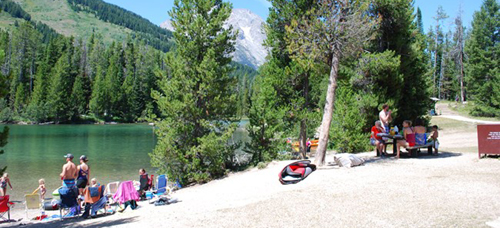
The trees lining the lakeshore of String Lake in the above photo are mostly Lodgepole pines.
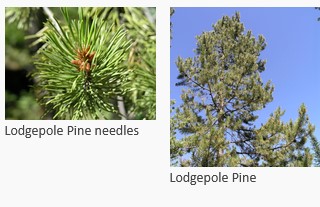
cone of a Lodgepole Pine:

The Teton Science School notes that: “Lodgepole pine is indigestible to moose, which is why most of Yellowstone has such a proportionally low moose population – 4 out of every 5 trees over Yellowstone’s 2.2 million acres are lodgepole pine. Look for Yellowstone moose in some of the corners of the park that are richer in firs, willows and aspen. Moose are more abundant in Grand Teton, found in both wetland and mountain habitats.”
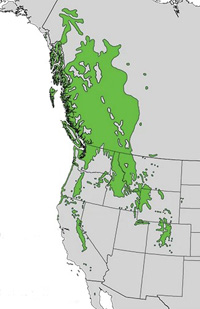
Here, a map of distribution of lodgepole pine:
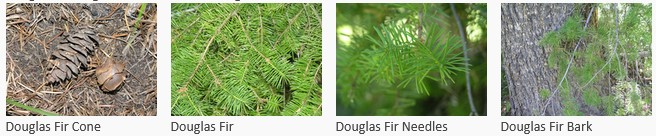
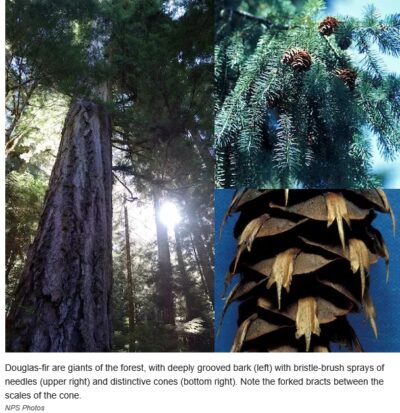
Douglas Fir trees are huge when they mature (one measured 400 feet tall and 13’8 in diameter). They can live up to 600 years. At maturity they have thick, corky bark and blunt tipped needles. The NPS notes: “The bark of older trees becomes very thick with reddish-brown, deeply-furrowed ridges. Older trees also loose their lower branches, leaving behind straight trunks. Needles are flat and bristle out around the twigs.”
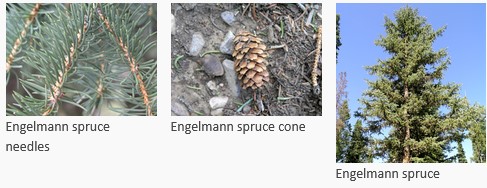
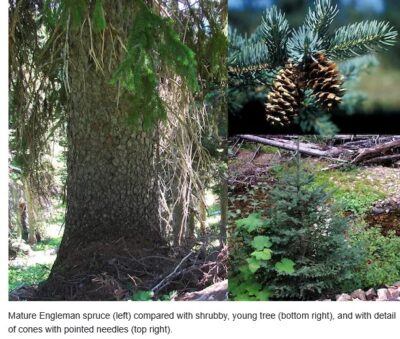
Engelmann Spruce:
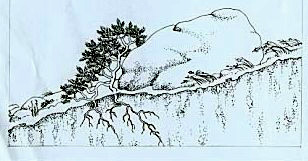
can grow as a full sized tree, or, in subalpine / tundra areas, as stunted and dwarfed “krummholz” (crooked wood), as seen in this NPS drawing of a low-lying shrub form of spruce, growing protected from wind by a large rock:
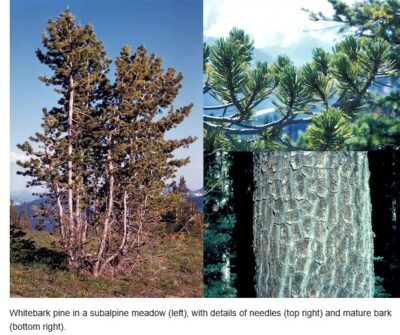
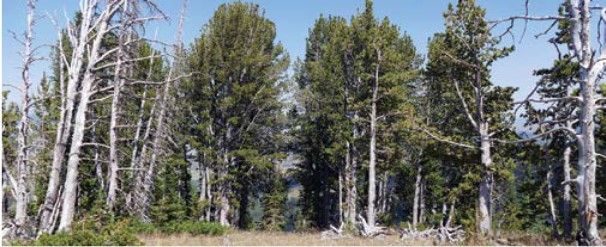
Whitebark Pine
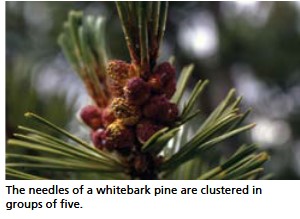
The park service notes: “Whitebark pine is named for the smooth white bark of younger trees and branches. As the tree matures the bark can form brown, scaly plates. It is the only pine in the subalpine zone and can be stunted and shrub-like from exposure to winter winds and heavy snow. Whitebark pine can grow as a single tree, but is often found in clusters of several trunks. It is a five-needle pine, with egg-shaped cones that hang downwards.”
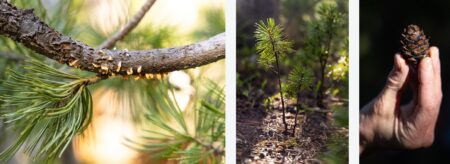
below: blister rust, whitebark pine seedlings and cone:
The NPS notes these differences in needles:
“Pine needles are in groups of 2, 3 or 5 and are longer than spruce and fir needles.
Fir needles also have single needles that stick out directly from the branch, feel flat and don’t roll easily in your fingers.
Spruce needles are single needles emanating around the branch and have four sides. Because of the four sided structure they can be easily rolled between your fingers. Normally they feel spikey to the touch.”
Many people think of trees the shape of the ones shown below as “pine” trees. The NPS has these drawings to show the difference between Western Red Cedar, Douglas Fir, and (growing in Yosemite), Ponderosa Pine:
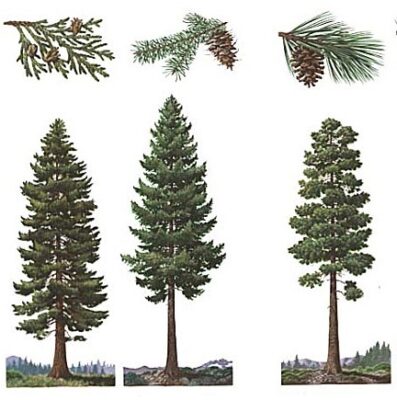

Western Red Cedar
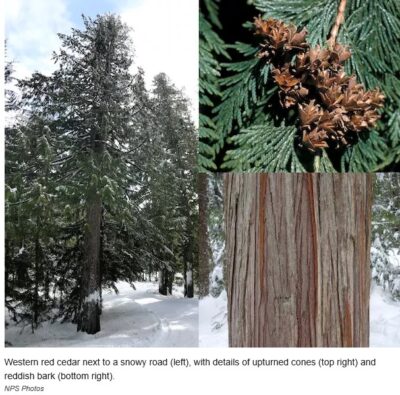
The Park Service notes: “Western red cedar can reach heights of 200 feet (60 m) supported by a thick trunk that can form buttresses at the base. The branches spread widely, drooping before turning upward into “J” shapes. Red cedar has grey to reddish-brown bark that can peel in long strips. Leaves have four rows of scales in a shingle pattern pressed closely to the stem and alternate between pairs of folded and unfolded scales. Cones are green when young, then become brown and turn upwards.” Cones are “egg-shaped with 0.5 in (1.5 cm) scales.”
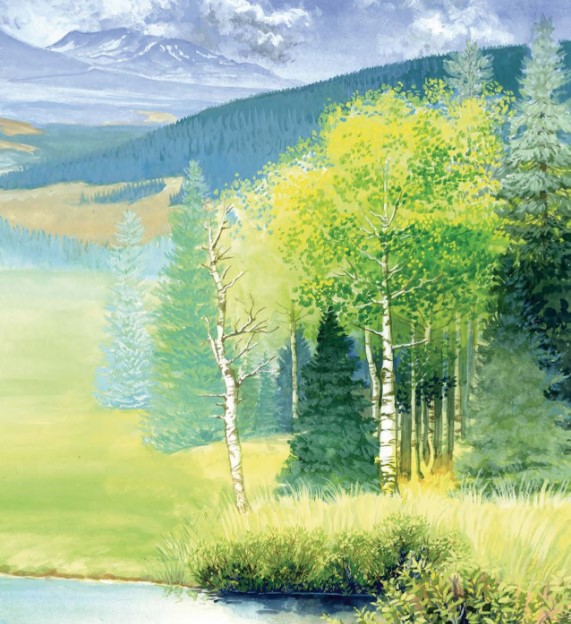
Aspen
The Park service notes: “Aspens (Populus tremuloides) can reach a height between 30 ft. to 65 ft. Bark is smooth with a color of greenish white with black spots and lines. The leaves are small and densely packed on long slender branches…
. . . Quaking aspens provide beautiful scenery and a rich habitat for wildlife. Aspen, the most widely distributed tree in North America, are one of the few deciduous trees hearty enough to survive in a harsh mountain environment. Aspen trees are short-lived, surviving about 120 years. In mountain environments, the brief and dry growing season often prevents aspen seeds from germinating or seedling from surviving. Instead, an aspen’s lateral roots produce vertical shoots, called suckers. Some suckers grow into mature trees, creating a large network of interconnected roots that can produce new trees for over a thousand years. The roots have been shown to exchange resources, such as water and carbohydrates. A patch of genetically identical trees, a “clone”, will sprout new buds and change colors at the same time.”
What you see as a grove of aspen, is actually one tree. One in Utah has 47,000 “stems/sprouts” that cover over 100 acres and weigh about 6600 tons.
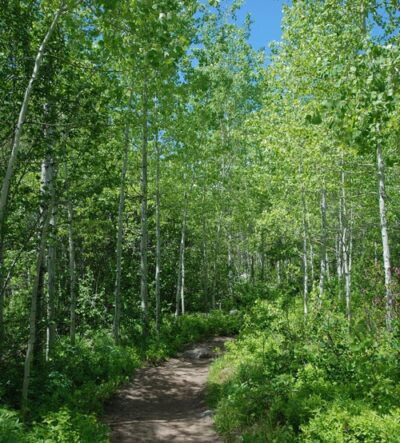
below, a trail through green aspen trees in the summer (the leaf buds generally unfold in May):
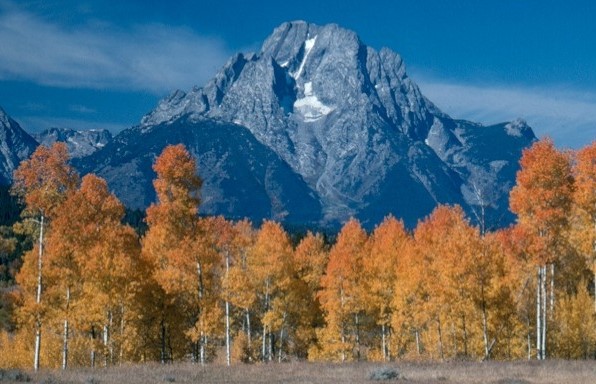
below, aspen in the fall with Mount Moran in background
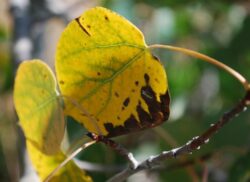
fall aspen leaves can be yellow,
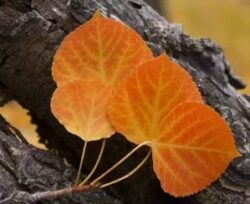
or orange
or many shades of bright colors, especially with sunlight flooding through:
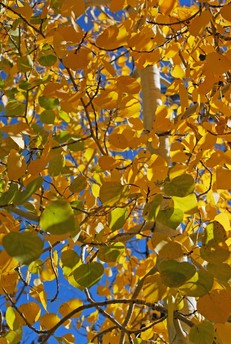
Aspens start turning color in September, at first at highest elevations, then lower. Cool weather causes the change. Cool weather without frost is conductive to full development of coloring. Frost can shorten the length of fall coloring season.
The NPS tells us: “Broadleaf trees are responsible for the colorful annual display that defines autumn. For most of the year, a bright green chemical called chlorophyll supports photosynthesis in leaves. When the days grow shorter, chlorophyll dies off and other chemicals become the main source of color.
At the same time, the tree starts to grow a layer of scar tissue at the bottom of each leaf’s stem. Over time, the connection between the leaf and the tree weakens enough that the wind or gravity pulls the leaf down.”
Read more at How do trees change in the fall?
You will find aspens many places in the park besides in large groves, such as this one (center of the photo below) outside a Colter Bay cabin:
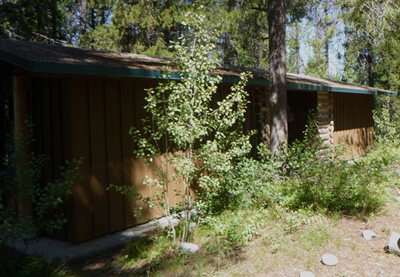
The NPS notes: “The Aspen’s smooth, white/green bark causes people to mistake this species for Paper Birch. An Aspen’s bark does not flake, turns light green when wet, and tends to take on a thick, dark crust as the tree ages.”
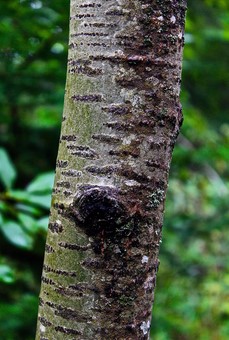
Especially in the winter when leaves aren’t abundant, moose sometimes eat the bark of aspen trees.
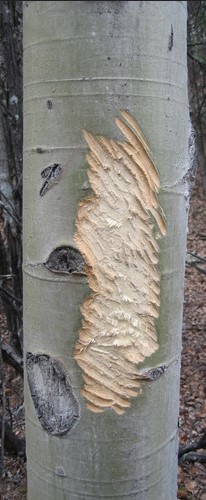
On a paddle out to an island on Jackson Lake we found an aspen tree cut down by beavers that you could see the teeth marks in:
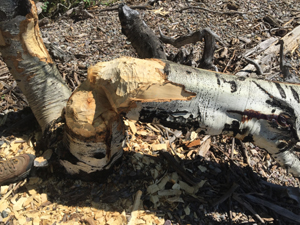
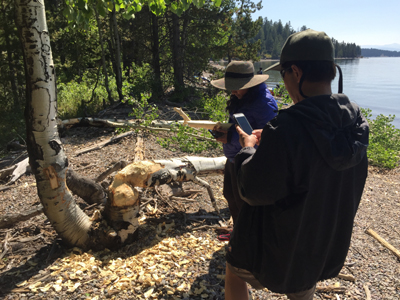
Beavers eat about 2 pounds of bark a day. When they eat the bark off branches they will hold the branch in their forefeet and turn it like humans do when eating a cob of corn.
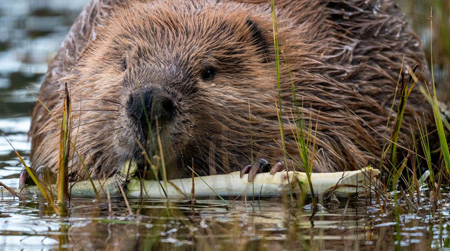
The NPS tells us: “The preferred foods of beaver are willow, aspen, and
cottonwood. Where their preferred plants are few or absent, beavers may cut conifer trees and feed on submerged vegetation such as pond lilies.” Read more about beaver dams and lodges.
The Park Service notes: “𝗔𝘀𝗽𝗲𝗻 𝘁𝗿𝗲𝗲𝘀 𝗵𝗮𝘃𝗲 𝗮 𝘀𝗲𝗰𝗿𝗲𝘁: 𝘁𝗵𝗲𝘆 𝗱𝗼𝗻’𝘁 𝗻𝗲𝗲𝗱 𝗹𝗲𝗮𝘃𝗲𝘀 𝘁𝗼 𝗺𝗮𝗸𝗲 𝗲𝗻𝗲𝗿𝗴𝘆
Young aspens don’t grow thick, corky bark like most trees.
Instead, they shed their outer cells as fine, chalky dust, basically the tree version of exfoliation.
𝗛𝗲𝗿𝗲’𝘀 𝘁𝗵𝗲 𝘄𝗶𝗹𝗱 𝗽𝗮𝗿𝘁:
Their thin bark can 𝗽𝗵𝗼𝘁𝗼𝘀𝘆𝗻𝘁𝗵𝗲𝘀𝗶𝘇𝗲.
That smooth, pale trunk contains chlorophyll, allowing aspens to turn sunlight into energy even before leaves appear in spring. It gives them a head start while other trees are waiting to leaf out.
Look closely in the spring and you might notice a greenish tint. That’s the bark at work.
By shedding outer cells as powder, aspens let sunlight reach the living layer underneath.
𝗟𝗶𝗳𝗲 𝗹𝗲𝗮𝘃𝗲𝘀 𝗶𝘁𝘀 𝗺𝗮𝗿𝗸
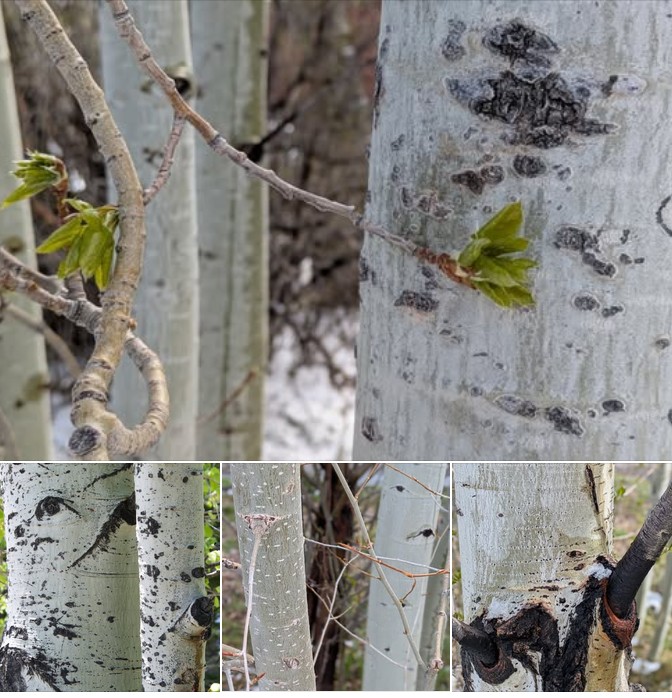
Aspen bark is thin and easily scarred. Each mark tells a story of survival:
• Eye-shaped scars where branches once grew
• Curves and bends from heavy snow
• Chew and scratch marks from elk, deer, and bears
• Holes bored by birds feeding on insects or creating nesting cavities
• Dark patches from fungi
Over time, usually after about 30 years, bark thickens toward the base of the tree. The lower bark turns gray and no longer photosynthesizes, while the upper trunk and branches remain thin and active.
𝗢𝗻𝗲 𝗺𝗮𝗿𝗸 𝗱𝗼𝗲𝘀𝗻’𝘁 𝗯𝗲𝗹𝗼𝗻𝗴: 𝘆𝗼𝘂𝗿𝘀. 𝗞𝗲𝗲𝗽 𝘁𝗵𝗲 𝘀𝘁𝗼𝗿𝘆 𝗻𝗮𝘁𝘂𝗿𝗮𝗹.
Aspen bark is alive. Carving into it can harm the tree and expose it to disease.
Let the aspens keep writing their own story.”
NPS Photos below:
McKinney- Aspen tree just starting to leaf out.
MacPherson- Mature aspen trunks with interesting eye-shaped scars.
McKinney- Young aspen with green-tinted bark in the spring.
McKinney- Aspen branches are shed as the tree grows leaving scars.
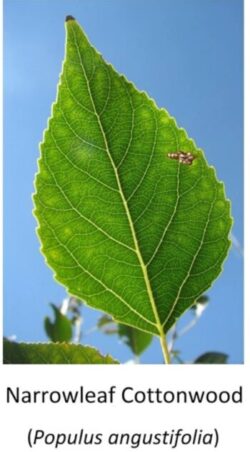
Narrowleaf Cottonwood trees, which are deciduous and grow along river corridors and in wetlands, have leaves that are a more teardrop shape than aspen:
__________________________________
Different forests attract different birds.
The NPS notes: Birds inhabit a variety of communities throughout the park and parkway. They are searching for
food, water, shelter and nesting sites. Some birds frequent only one community while others occupy a variety.
Alpine
Elevation, harsh winters and brief summers limit vegetation to low-growing forms. Birds that nest above treeline migrate south or to lower elevations for winter. Watch for golden eagles, ravens, Clark’s nutcrackers, rosy finches, white-crowned
sparrows and water pipits.
Lodgepole Pine Forests
Dense lodgepole pine forests cover glacial moraines on the valley floor and the lower mountain slopes. Look for olive-sided flycatchers, yellow-rumped warblers, ruby-crowned kinglets, mountain chickadees, white-crowned and chipping sparrows and dark-eyed juncos.
Aspen Forests
Aspens often occur in pure stands on hillsides. Trees with rotting trunks attract woodpeckers. Later, abandoned woodpecker cavities provide nesting opportunities for saw-whet owls, house wrens, mountain and black-capped chickadees,
tree swallows and violet-green swallows.
Sagebrush Flats
Sagebrush thrives in rocky, well-drained soils in a semi-arid environment covering much of the valley floor. Despite these harsh conditions many species flourish. Look for sage grouse, vesper sparrows, western meadowlark, mountain
bluebird, Brewer’s sparrows and sage thrashers.
Aquatic and Riparian
Numerous rivers, creeks, lakes and ponds provide habitats where Canada geese and other waterfowl nest, while osprey and bald eagles hunt for fish. Common snipe, white-crowned and Lincoln sparrows, yellow and MacGillivray’s warblers, and common yellowthroats nest in adjacent wet meadows. American dippers (ouzels) search for insects in fast-moving mountain streams. Look for common mergansers, Barrow’s goldeneyes and mallards in small ponds and rivers and American white pelicans on Jackson Lake and the Snake River.
The Ruffed Grouse is often heard before it is seen, “drumming” while standing on a log.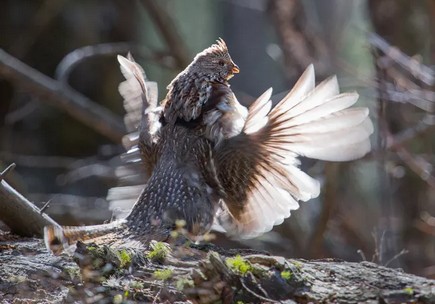
But not just any log:
The NPS tells us that “drumming logs were found close to clearings but in areas with increased amounts of undergrowth and mature trees. Adjacent habitat analysis (0.04-ha circular plot centered on logs) indicated drumming locations had significantly greater average canopy height, more vegetative cover consisting of conifer and total canopy cover, and more vertical foliage between 0.3 m and 3.0 m in height. Adjacent habitat was in advanced stages of maturity as indicated by significant numbers of both large-diameter logs and large-diameter lodgepole pine (Pinus contorta) and quaking aspen (Populus tremuloides) snags. Tree species dominating the canopy and subcanopy were large-diameter Engelmann spruce (Picea engelmannii), lodgepole pine, and quaking aspen. Subalpine fir (Abies lasiocarpa) and quaking aspen saplings were more numerous at used sites. Ruffed Grouse drummed in coniferous areas within close proximity of quaking aspen.”
Watch a video to see and hear how Ruffed Grouse make their drumming sound
___________________________________
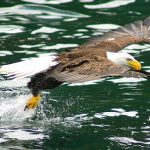
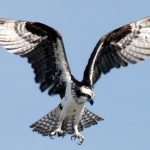
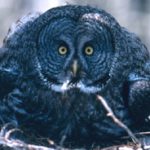
Grand Teton National Park birds has photos and details about the most common ones we can hope to see
including Bald Eagle, Barred Owl, Barrows Goldeneye, Red-winged Blackbird, Mountain Bluebird, Mountain Chickadee and Black-capped Chickadee, Canada Geese, Clark’s Nutcracker, Golden Eagle, Ruffed Grouse, Red-tailed Hawk, Swainson’s hawk
Great Blue Heron, Great Gray Owl, Great-horned Owl, Harlequin duck, Hummingbird, Ruby-crowned Kinglet, Loon, Magpie
Merganser, Northern Flicker, Osprey, Ouzel, Pelican, Peregrine Falcon, Ptarmigan, Raven, Sandhill Cranes, Steller’s Jays
Trumpeter Swan, Western Meadowlark, Western Tanager with links to calls / songs from most of them to listen to.
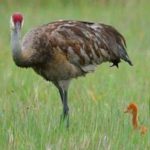
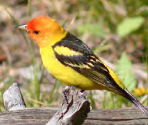
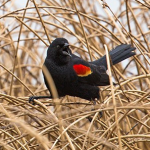
and you can Download photos of over a hundred birds of Grand Teton National Park

__________________________________
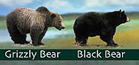 Was that a black bear or a grizzly, a coyote or a wolf or a fox we just saw?
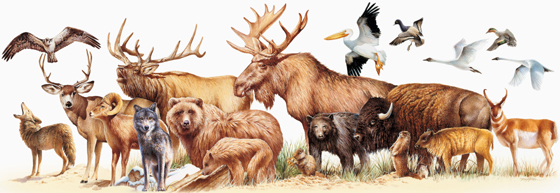 Rocky Mountain mammal size comparisons has photos and comparisons of beavers, squirrels, pika, marmot, elk, moose, bison, fox, coyote, wolf, golden-mantled ground squirrel, chipmunk, Red Squirrel (also known as) Chickaree, Unita Ground squirrels, bobcat, lynx, mountain lion (cougar), pine marten, mountain goats, bighorn sheep, pronghorn, grizzly and black bears, tundra swan, trumpeter swan, adult and juvenile Bald Eagles.
___________________________________
The author of this webpage, (written for my students), does not give any warranty, expressed or implied, nor assume any legal liability or responsibility for the accuracy, completeness, or usefulness of any information, product, or process included in this website or at websites linked to or from it. Users of information from this website assume all liability arising from such use.